中文简体
中文简体
Knitted Fabric For Women's Clothing
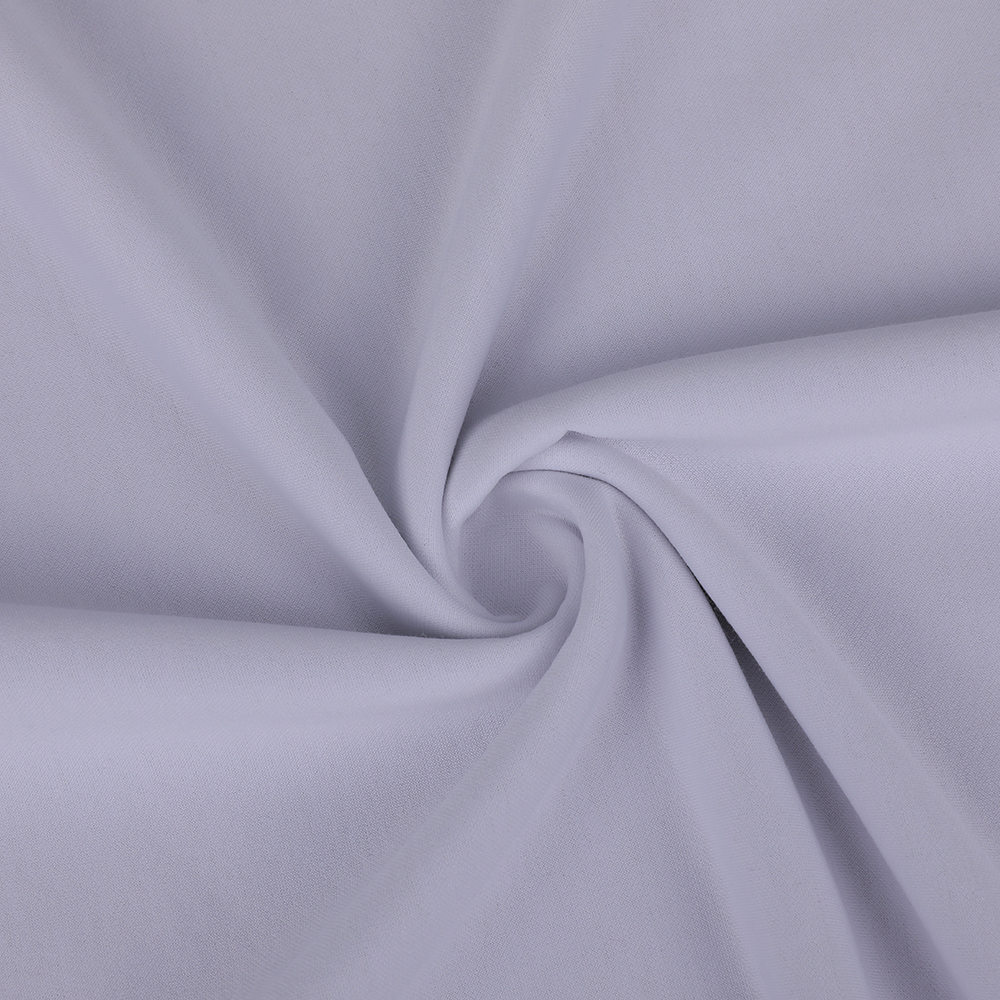
Knitted fabric for women's clothing is a versatile textile constructed through the interlooping of yarns, creating a soft, stretchable, and comfortable material that drapes beautifully on the body. Unlike woven fabrics, knitted structures offer superior flexibility and recovery, making them the preferred choice for contemporary womenswear ranging from casual daywear to elegant evening pieces.
From lightweight jersey and rib knits to textured jacquards and luxurious ponte roma, knitted fabrics provide endless possibilities for designers seeking comfort, movement, and sophistication in their collections.
Knitted fabrics have become the backbone of modern womenswear, offering the perfect balance of comfort, stretch, and style. Their unique construction allows for garments that move with the body while maintaining shape and structure—qualities that women have come to expect from their clothing.
From the softest cashmere blends to performance-driven activewear knits, the variety available today ensures that designers can bring their creative visions to life without compromising on wearability or aesthetic appeal.
01 Understanding Knitted Fabric Construction
Knitted fabrics are created by interlocking loops of yarn, a process that gives them their characteristic stretch and flexibility. The two primary construction methods are:
Yarn runs horizontally across the fabric width, creating loops that interlock row by row. This method produces fabrics with excellent stretch and recovery, ideal for garments that require body-conforming properties. Common weft knits include jersey, rib, and interlock.
Yarn runs vertically along the fabric length, with each needle forming its own loop. Warp knits offer greater stability and less stretch than weft knits, making them suitable for structured garments and lingerie. Tricot and raschel are common warp knit structures.
02 Popular Knitted Fabrics for Womenswear
Each knitted fabric type offers unique characteristics that make it suitable for specific garment categories:
Jersey is the most common knit fabric, known for its soft hand, good drape, and excellent stretch. It is widely used for t-shirts, dresses, and lightweight tops. Single jersey has a flat face and looped back, while double jersey is thicker and more stable.
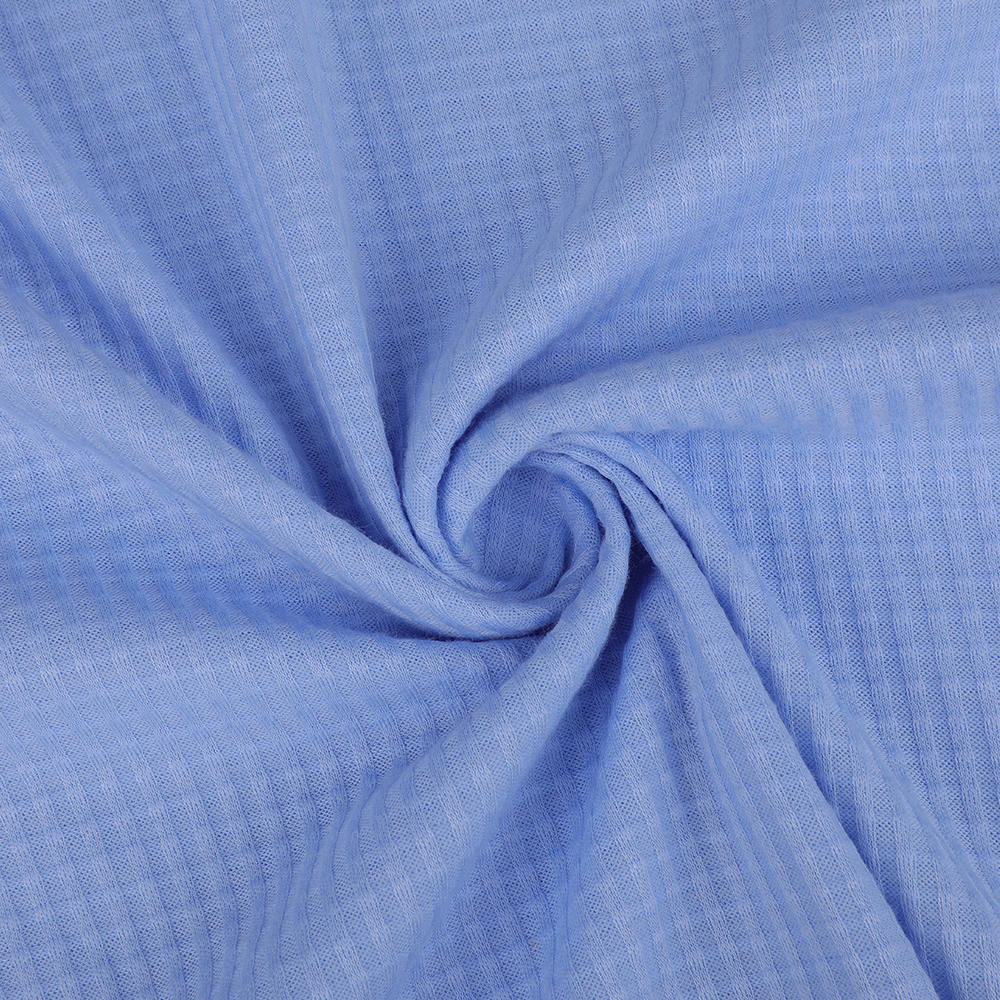
Rib knits are characterized by vertical ridges on both sides of the fabric, created by alternating knit and purl stitches. They offer exceptional stretch and recovery, making them ideal for cuffs, collars, and form-fitting garments like tops and dresses.
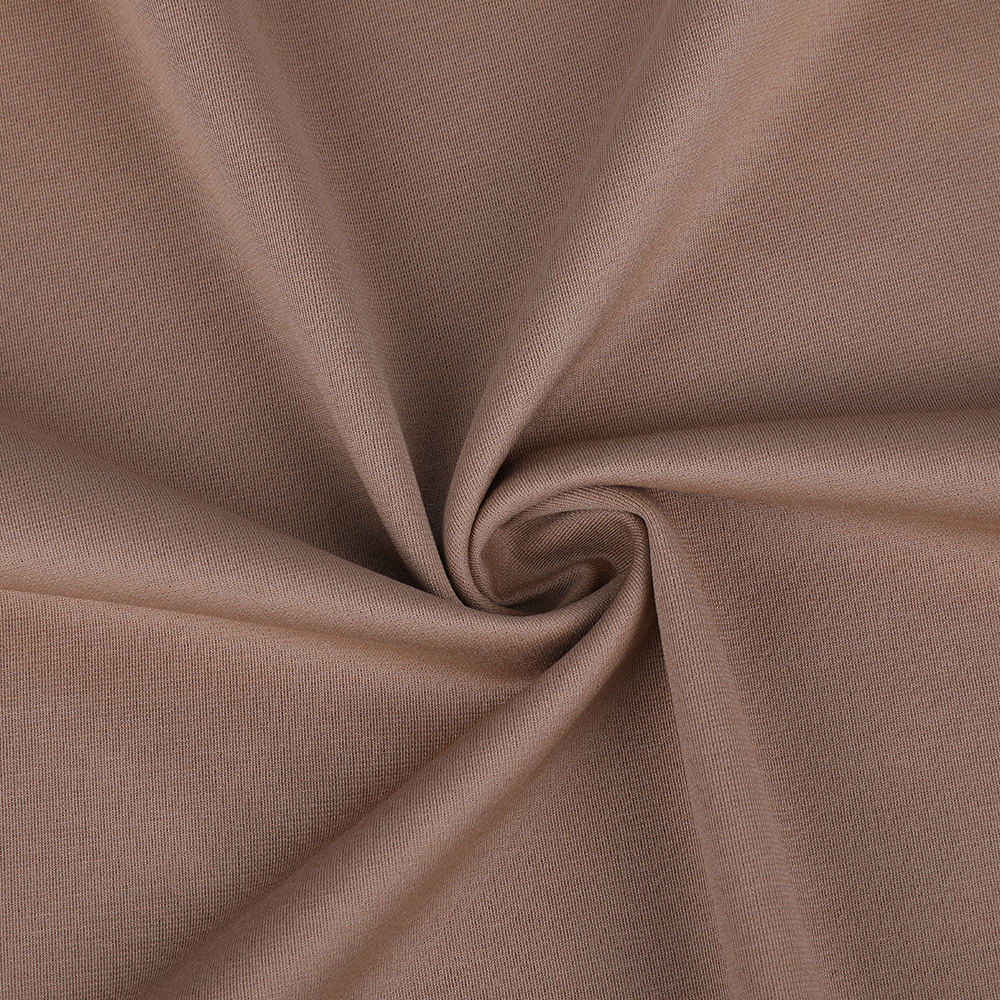
Ponte Roma is a double-knit fabric that combines structure with stretch. It resists wrinkles, holds its shape well, and offers a clean, polished appearance. It is a favorite for workwear, tailored dresses, and pants.
Interlock knit is a variation of rib knit with two layers of loops interlocked together. The result is a smooth, stable fabric that does not curl at the edges. It is commonly used for t-shirts, underwear, and lightweight dresses.
Jacquard knitting creates intricate patterns and textures directly into the fabric structure. These fabrics are used for dresses, skirts, and statement pieces where visual interest and design detail are key.
French terry has a smooth face and looped back, offering softness and moisture absorption. It is widely used for loungewear, athleisure, and casual tops.
03 Fiber Composition Options
The performance and hand-feel of knitted fabrics are significantly influenced by their fiber composition. Common fiber choices for womenswear include:
Breathable, soft, and comfortable. Ideal for casual, everyday garments.
Adds stretch and recovery for body-conforming silhouettes.
Excellent drape and fluidity, perfect for flowing dresses and blouses.
Durable, wrinkle-resistant, and shape-retaining. Popular in activewear and performance fabrics.
Blends breathability with a textured, natural aesthetic for relaxed, elegant styles.
Luxurious blends offering softness, warmth, and a sophisticated hand-feel for high-end collections.
04 Why Knitted Fabrics Are Preferred for Women's Clothing
Knitted fabrics have become indispensable in womenswear for several compelling reasons:
The inherent stretch of knits allows garments to move with the body, providing all-day comfort without restriction.
Knits conform to the body's contours, creating silhouettes that are both elegant and figure-enhancing.
From lightweight summer jerseys to cozy winter wool blends, knits offer year-round options.
Many knitted fabrics are machine washable and resist wrinkling, making them practical for modern lifestyles.
05 Sustainability and Innovation
As the fashion industry moves toward more sustainable practices, knitted fabrics are at the forefront of innovation. Designers and brands are increasingly choosing materials that reduce environmental impact while maintaining quality and performance.
Knitted fabrics made from recycled polyester and regenerated cellulose fibers help close the loop on textile waste.
Water-based and low-impact dyeing processes reduce chemical use and water consumption in fabric production.
Natural fiber blends and innovative biodegradable synthetics offer end-of-life solutions that reduce landfill impact.
Knitted fabrics are compatible with circular design principles, allowing for easier recycling and repurposing at the end of a garment's life.
06 Frequently Asked Questions
Knitted fabric is constructed by interlocking loops of yarn, providing stretch, flexibility, and comfort. Woven fabric is constructed by interlacing yarns at right angles, offering more structure and less stretch.
Jersey, rib knit, ponte roma, interlock, and French terry are among the most popular knit fabrics used in womenswear. Each offers different properties suited to specific garment types.
Yes, high-quality knits such as ponte roma and jacquard knits can be used for polished, sophisticated garments suitable for workwear, evening occasions, and special events.
Cotton and cotton blends offer breathability and comfort. Viscose and modal provide fluid drape. Polyester blends offer durability and performance. Wool and silk offer luxury and warmth.
Most knitted fabrics benefit from gentle washing in cold water and air drying. Following the care label instructions will help maintain the fabric's shape, texture, and longevity.
Yes. Lightweight cotton and modal blends are ideal for summer. Heavier wool blends and structured knits provide warmth in cooler months. Layering allows for year-round wear.
Discover the possibilities of knitted fabric for women's clothing in your next collection.
From soft jerseys to structured ponte roma, the right knit fabric can elevate your designs with comfort, movement, and timeless style.